A biome is a biotic community that is characterized by prevailing climate and dominant forms of plant life. There are many biomes in the world, including Polar Tundra, Deserts, Grasslands, and Wetlands. Do humans live in biomes?
http://dictionary.reference.com/browse/biome
Monday, May 11, 2009

How do you distinguish a deciduous rain forest?
There are many characteristics that distinguish a deciduous rain forest from other rainforests. The soil must be well-drained, there must be 3 layers, which are the canopy, the understory, and the forest floor, and trees should lose their leaves in the winter. However, there are many more. Name some.
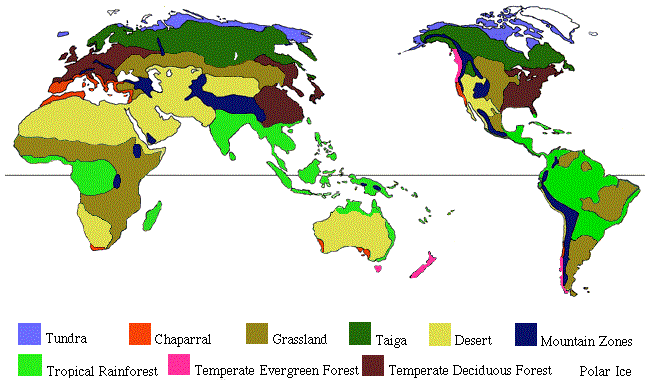
A map Of Deciduous Rain Forests

This is a map of where deciduous rain forests are in the world. The Brown represents where temperate deciduous forests are. There is a deciduous rain forest in the adirondacks. It follows the settings of how you distinguish a deciduous rain forest. What percentage of the world do you think is temperate deciduous forest?
A Video Of What You Would See In A Deciduous Rain Forest
This is a video of what you would find in a deciduous forest. It includes plants and animals, along with facts and where deciduous forests are in the world.Do thees animals or plants live in other biomes? If so, which biomes and which plants or animals?
American Beetches In A Deciduous Forest

An American Beetch is one of the most common forms of a plant that you will find in a deciduous rain forest. It grows in deciduous rain forests in Maine and Massachusetts. It is a wide and tall tree. It spreads 50 to 70 feet and is about 90 to 100 feet tall. It doesn't like city living because it grows in well-drained soils, like in a deciduous rain forest. Also, the carbon monoxide does not provide a good environment for the American Beetch. The growth buds have a yellow tinge that looks like a bullet. When it is young, the leaves are bright green and about 3 inches long. They eventually come to a point.
The American Beetch tree produces a lot of paper. The wood is used for cabinets, stools, tables, benches, etc..
There are many animals that feed off nuts produced by this plant. They are foxes, squirrels, porcupines, and others.
Can you find any other animals that feed off nuts produced by the American Beetch?
http://www.blueplanetbiomes.org/deciduous_plant_page.htm
Shagbark Hickory In A Deciduous Forest

The shagbark hickory is another common form of plant found in a temperate deciduous forest. It has an ashy gray bark which separates into long strips. It grows to about 100 feet tall. Its branches can also spread up to 25 feet.
It is unique in a way that it has both male and female flowers. It also has many uses, such as sports equipment, furniture, etc.. It is very common in the wild all along the east coast. Squirrels compete for nuts from the shagbark hickory.
Who else is a competitor for nuts produced by the shagbark hickory? The answer will surprise you!
http://www.blueplanetbiomes.org/deciduous_plant_page.htm
Black Bear In A Deciduous Forest

The american blackbear is common in our biome. The length of its body from nose to tail is 5-6 feet. This bear is usually black, but sometimes it has a little brown on its body. It looks for food with the highest nutritional value. It is a predator and an omnivore.
It helps the environment by killing off the elderly. It also hibernates in the winter to avoid finding food in the water.
What kind of food does the black bear avoid?
http://www.blueplanetbiomes.org/deciduous_animal_page.htm
Bald Eagle In A Deciduous Forest

The Bald Eagle is commonly known as the symbol of America. However, it's common in a deciduous forest. It is actually a raptor covered in huge feathers. It also reaches maturity between 4 to 6 years in age. Its wing span is up to 8 feet! The nests they live in are commonly built by the female. It is either with no bald eagles or a ton of bald eagles.
They breed between the months of april and august. They usually have 2 eggs at one time. It is also an amazing predator that eats a variety of different animals.
Do you think that this is good or bad? Why?
http://www.blueplanetbiomes.org/deciduous_animal_page.htm
Subscribe to:
Posts (Atom)